


Specs Removal Surgery in Moradabad
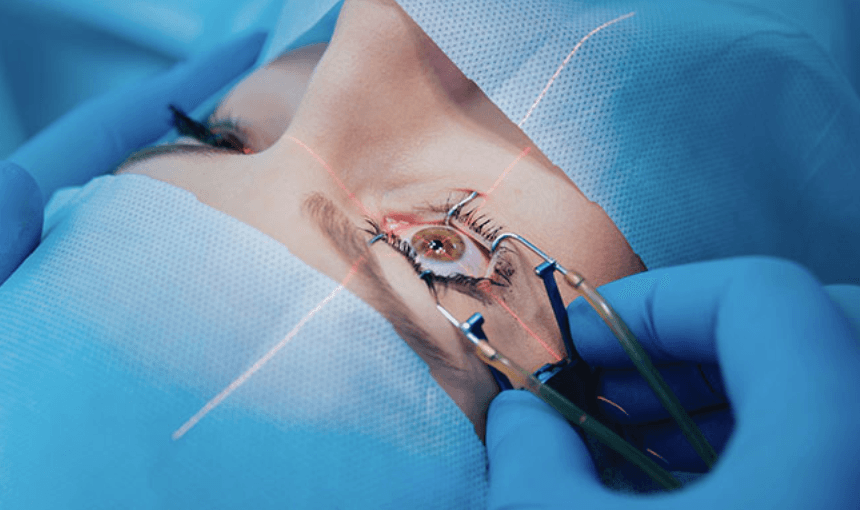
Say goodbye to thick glasses and contact lenses with safe, personalised laser and lens-based vision correction at Oracle Eye Hospital.
What is Specs Removal Surgery?
- Myopia (short-sightedness): you see near objects clearly, but distant ones look blurred
- Hyperopia (long-sightedness): nearby, and sometimes distant, objects look blurred
- Astigmatism: blurred or distorted vision caused by an unevenly curved cornea
Refractive surgery works in one of two ways:
Specs Removal Options Available in Moradabad
Best suited for: patients with healthy corneas of adequate thickness and a stable prescription within the treatable range. Highlights: quick procedure of about 10 minutes per eye, rapid visual recovery and minimal discomfort. Best suited for: patients whose corneal topography qualifies for a topography-guided plan, including many with astigmatism. Highlights: a personalised treatment profile that may improve vision quality and reduce night-time glare for suitable patients. Your surgeon will confirm whether you qualify.
Good for high power Within limits Within limits Within limits Yes
You May Need to Wait or Consider Alternatives If You Have:
- An unstable or changing prescription
- Suspected or confirmed keratoconus or other corneal irregularity
- Severe dry eye that is not yet controlled
- Pregnancy or breastfeeding
- Uncontrolled diabetes or certain autoimmune conditions
- Cataract or other eye diseases that need treatment first
Pre-Surgery Evaluation at Oracle Eye Hospital
- Detailed refraction and vision testing, including cycloplegic refraction when needed
- Corneal tomography (Pentacam) to map corneal shape and screen for hidden irregularities
- Corneal topography for planning topography-guided treatment
- Pachymetry to measure corneal thickness
- Dry eye and tear film assessment
- Pupil size measurement in different light conditions
- Intraocular pressure measurement
- Dilated retinal examination to check retinal health, especially in high myopia
- Additional measurements for ICL (anterior chamber dimensions and lens sizing) when relevant
Step-by-Step Specs Removal Surgery Workflow
What to Expect on the Day of Surgery
- Before: Wash your face and avoid makeup, creams and perfume. Eat lightly, wear comfortable clothes and bring a family member or friend.
- During: You will lie back comfortably and look at a light while the procedure is performed. Laser procedures take only a few minutes per eye, and ICL takes somewhat longer.
- After: You will rest briefly, and the surgeon will check your eyes. Protective shields and eye drops will be provided with clear instructions.
After LASIK or Contoura Vision:
- Vision typically improves within hours and noticeably by the next day
- Many patients return to desk work and light screen use in 24 to 48 hours, as advised
- Mild dryness, light sensitivity or fluctuation can last for days to weeks
After surface laser (PRK):
- Discomfort and blurry vision are more noticeable in the first few days
- A bandage contact lens is often used temporarily
- Vision improves gradually over days to weeks
After ICL:
- Vision usually clears quickly, often within a day or two
- Regular follow-up visits monitor eye pressure and lens position
General aftercare for all procedures:
- Use prescribed drops exactly as directed
- Avoid rubbing your eyes
- Wear protective shields as advised
- Avoid swimming, dusty environments and eye makeup for the period your surgeon recommends
- Use lubricating drops for dryness
- Take regular breaks during screen use
- Attend all follow-up appointments
Key Benefits of Specs Removal Surgery
- Reduced or no dependence on glasses and contact lenses for most daily activities
- Quick, day-care procedures with rapid recovery for laser options
- No stitches for laser vision correction
- Choice of treatments: laser or lens-based, based on your eyes
- Better convenience for sports, travel, work and social life
- Long-term savings compared with ongoing spectacle and lens expenses
- Personalised planning based on advanced eye mapping
What You Should Know
- Dry eyes, usually temporary, managed with lubricating drops
- Glare, halos or starbursts around lights at night, which commonly improve with time
- Under-correction or over-correction, sometimes needing an enhancement
- Fluctuating vision during early healing
- Infection or inflammation, uncommon with proper care
- Rare complications specific to each procedure (for example, flap-related issues in LASIK, or raised eye pressure or cataract risk in ICL)
Is Specs Removal Surgery Permanent?
There is no single price, because the cost depends on:
- The type of procedure (blade-free LASIK, Contoura Vision, PRK or ICL)
- The technology and lens used
- The complexity of your prescription
- Any additional tests, medicines or follow-up needed
Why Patients in Moradabad Choose Oracle Eye Hospital
- Experienced ophthalmologists: Dr. Girjesh Kain (MS, FICO) and Dr. Rachana guide each patient
- Honest advice: we recommend the option that suits your eyes, even if it means saying surgery is not right for you
- Multiple options under one roof: laser and lens-based solutions
- Advanced diagnostics: detailed corneal mapping for safer planning
- Comfort-focused care: painless anaesthetic drops and same-day discharge
- Local access with transparent pricing: quality refractive care in Moradabad with EMI and cashless support
Begin Your Journey to Spectacle Freedom
Meet Our Senior Specialists
Entrust your vision to dedicated ophthalmic surgeons who have restored sight to tens of thousands of patients across Western UP.
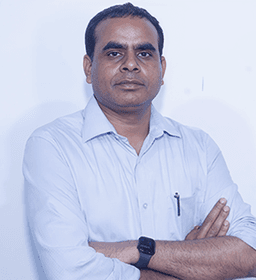
Dr. Girjesh Kain
Dr. Kain is an internationally trained cataract and refractive surgeon with fellowship honors. He has spearheaded modern micro-incision surgery techniques in Moradabad for more than 15 years.
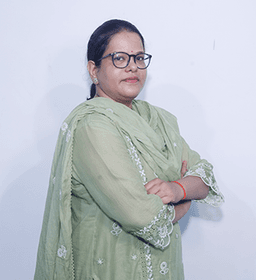
Dr. Rachana
Dr. Rachana specializes in comprehensive eye diagnostics, complex cataract procedures, and customized intraocular lens selections to achieve optimal postoperative visual sharpness.
Frequently Asked Questions About Specs Removal Surgery in Moradabad
Clear answers to help you make an informed decision for yourself and your family.
Explore Related Eye Care Services in Moradabad
Discover advanced super-specialty eye treatments available at Oracle Eye Hospital: