What is Diabetic Retinopathy?
The retina is the thin, light-sensitive layer at the back of the eye. It converts light into signals that the brain interprets as images, and it depends on a dense network of tiny blood vessels for oxygen and nutrients.
When blood sugar stays high for long periods, these delicate vessels become weak and damaged. They may leak fluid and blood, close off, or grow abnormally. This damage is called diabetic retinopathy. It can affect people with type 1 diabetes, type 2 diabetes and, in some cases, gestational diabetes. The longer a person has diabetes, and the less controlled the blood sugar, the higher the risk.
Diabetic Macular Edema (DME)
At any stage, fluid can leak into the macula, the central part of the retina responsible for sharp vision, reading and recognising faces. This swelling is called diabetic macular edema, and it is the most common cause of vision loss in people with diabetes. DME needs specific treatment, often with anti-VEGF injections or laser.
Symptoms You Should Not Ignore
In the early stages, diabetic retinopathy may cause no symptoms at all. As it progresses, you may notice:
Please do not wait for symptoms. If you have diabetes, a dilated eye examination is recommended at least once a year, and more often if your eye doctor advises it. If you experience sudden vision loss, a shower of new floaters or a dark curtain across your vision, visit an eye hospital immediately.
- Blurred or fluctuating vision
- Floaters: dark spots, strings or cobweb-like shapes drifting in your vision
- Dark or empty areas in your field of vision
- Difficulty seeing at night
- Colours appearing faded or washed out
- Sudden loss of vision (an emergency)
You have a higher risk of developing diabetic retinopathy if you:
Anyone newly diagnosed with type 2 diabetes should have a baseline retinal check soon after diagnosis, since the disease may already have been present for some time. People with type 1 diabetes are generally advised to begin screening a few years after diagnosis, as your doctor recommends.
- Have had diabetes for many years (risk rises with duration)
- Have poorly controlled blood sugar (high HbA1c)
- Have high blood pressure or high cholesterol
- Have kidney disease
- Are pregnant, or planning pregnancy, with diabetes
- Smoke or use tobacco
- Have a family history of diabetic eye disease
Dilated Fundus Examination
Special drops widen the pupil so that the retina can be examined thoroughly for bleeding, leaking vessels, new vessel growth and swelling.
Optical Coherence Tomography (OCT)
A quick, non-contact scan that produces cross-sectional images of the retina. OCT measures macular thickness and detects fluid or swelling precisely, helping us decide whether you need injections or laser.
Fluorescein Angiography (FFA)
A harmless dye is injected into a vein in the arm, and photographs track its flow through the retinal vessels. This highlights leaking vessels, blocked areas and abnormal new vessels, and guides the laser treatment plan.
Most patients complete screening within a single visit. Please arrange for someone to accompany you, as dilating drops can blur near vision and cause light sensitivity for a few hours.
Diabetic Retinopathy Treatment Options in Moradabad
Treatment depends on the stage of the disease, whether the macula is involved, your overall health and your blood sugar control. Our specialists will explain the plan clearly before starting.
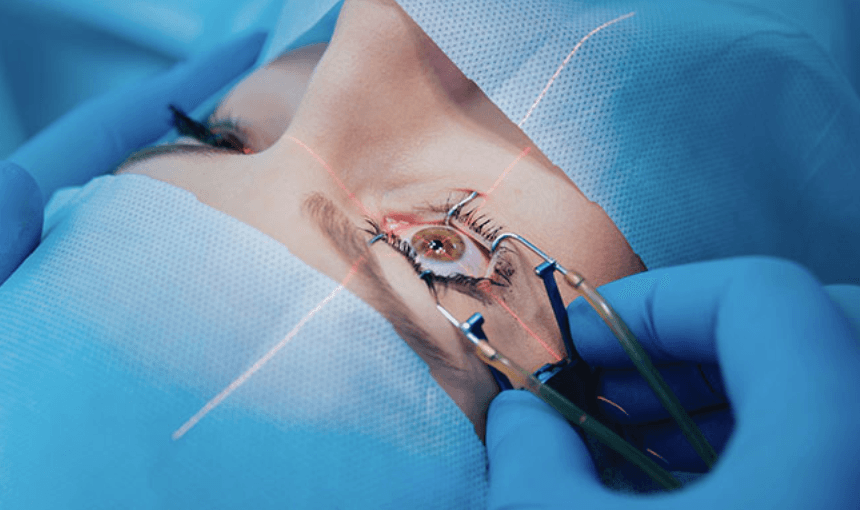
Laser is performed as a day-care procedure with numbing drops. It is not meant to restore vision that has already been lost; its goal is to protect the vision you still have and reduce the risk of complications. Some patients need more than one session.
Anti-VEGF therapy is widely used for diabetic macular edema and for certain cases of proliferative disease. A course often involves a series of injections at planned intervals, followed by monitoring with OCT. Treatment response varies from patient to patient, and your doctor will adjust the schedule accordingly.
1
Observation and Systemic Control - In early or mild NPDR without macular swelling, treatment is often careful monitoring with regular follow-ups. The most powerful "treatment" at this stage is controlling blood sugar, blood pressure and cholesterol in coordination with your physician.
2
Laser Photocoagulation - Laser treatment uses a focused beam of light to seal leaking vessels or to treat areas of the retina starved of oxygen.
3
Focal or grid laser may be used to treat leaking vessels near the macula.
4
Pan-retinal photocoagulation (PRP) treats the peripheral retina in proliferative disease, reducing the stimulus for abnormal vessel growth.
5
Intravitreal Anti-VEGF Injections - VEGF is a protein that drives leakage and abnormal vessel growth in the retina. Anti-VEGF medicines block this signal. They are delivered as a tiny injection into the eye under strict sterile conditions after anaesthetic drops.
6
Intravitreal Steroid Therapy - In selected cases, particularly when swelling does not respond adequately to anti-VEGF therapy, steroid implants or injections may be considered. These need careful monitoring of eye pressure and cataract changes.
7
Vitrectomy Surgery - Advanced diabetic eye disease can cause non-clearing vitreous haemorrhage or tractional retinal detachment. In such situations, a vitreoretinal surgeon performs vitrectomy, removing the blood-filled vitreous and scar tissue and repairing the retina where needed. Surgery is advised when other treatments cannot adequately address the problem, and the outcome depends on how advanced the damage is before treatment.
8
Cataract and Glaucoma Management - Diabetes also raises the risk of early cataract and certain types of glaucoma. Our hospital can manage these conditions alongside retinal care, and cataract surgery in diabetic patients is planned with extra attention to retinal health.
Key Benefits of Treatment at Oracle Eye Hospital
- Complete diabetic eye screening and advanced retinal imaging in one place
- Day-care laser and injection procedures with minimal downtime
- Personalised treatment plans based on OCT and angiography findings
- Close coordination with your diabetologist or physician
- Clear counselling on expected outcomes, risks and follow-up
- Cost transparency, EMI options and cashless insurance assistance
Step-by-Step Diabetic Retinopathy Care Pathway
1
Step 1: Detailed Retina Evaluation - Vision testing, dilated fundus examination and digital retinal photographs establish the stage of your disease.
2
Step 2: Advanced Imaging with OCT and FFA - These scans map swelling, leakage and blocked vessels so that treatment can be targeted precisely.
3
Step 3: Personalised Treatment Plan - Your doctor explains whether you need monitoring, laser, anti-VEGF injections or surgery, and answers your questions about cost and timing.
4
Step 4: Treatment and Planned Follow-Up - Laser or injection is performed as a day-care procedure. Regular review visits track your response and help prevent recurrence or progression.
What to Expect Before and After Treatment
Before your visit: Bring your previous eye reports, current medicines list and recent blood sugar or HbA1c results. Do not skip your diabetes medication or meals unless instructed otherwise. Arrange transport, as your vision may be blurred after dilation.
After laser: Vision may be slightly blurred, and mild discomfort or light sensitivity is common for a short time. Some patients notice reduced night or side vision, particularly after extensive pan-retinal laser. Your doctor will explain these effects beforehand.
After an injection: Mild irritation, redness or a small spot of blood on the white of the eye is common and settles by itself. Seek urgent care if you notice increasing pain, worsening redness or a drop in vision, as these could signal infection or inflammation, which are uncommon but serious.
All procedures carry some risk, and results vary. Your ophthalmologist will discuss benefits and risks specific to your eyes.
Preventing Diabetic Retinopathy and Slowing Its Progress
You play the biggest role in protecting your retina. Evidence consistently shows that these steps help:
- Control blood sugar: work with your doctor to keep HbA1c within your target range.
- Manage blood pressure and cholesterol: both strongly influence retinal blood vessel health.
- Get regular eye exams: yearly dilated screening, or as often as advised.
- Quit smoking: tobacco accelerates vascular damage.
- Stay active and eat a balanced diet: this supports overall metabolic control.
- Take medicines as prescribed: do not stop or change them without medical advice.
- Plan pregnancy carefully: women with diabetes should have an eye exam before conception and during pregnancy.
Why Patients in Moradabad Trust Oracle Eye Hospital
Moradabad and the surrounding districts have a large and growing diabetic population, and many patients travel long distances for retina care. At Oracle Eye Hospital, we aim to make advanced diabetic eye care accessible locally. Our approach is built on:
Whether you have just been diagnosed with diabetes or have been managing it for decades, a retina check at Oracle Eye Hospital is a small step that can safeguard your sight for years to come.
- Early detection: structured screening to catch changes before symptoms appear.
- Technology-led diagnosis: digital imaging, OCT and angiography for precise decisions.
- Experienced ophthalmologists: a team led by Dr. Girjesh Kain (MS, FICO) with Dr. Rachana.
- Patient-first communication: simple explanations, realistic expectations and no pressure.
- Financial support: 0% EMI and cashless assistance through empanelled partners.
Book Your Diabetic Eye Check-Up Today
Do not wait for your vision to change. If you have diabetes and have not had a dilated retinal exam in the last 12 months, schedule your screening at Oracle Eye Hospital, Moradabad. Call our helpline at +91 8006803111 to book an appointment, or visit us for a comprehensive diabetic eye evaluation.