What Is a Cataract, and How Does It Affect Your Vision?
Inside your eye sits a clear natural lens, which works like the lens of a camera. It focuses light onto the retina so you can see sharp images. Over time, the proteins in this lens begin to clump and the lens turns cloudy. This clouding is called a cataract.
A cataract is not a growth or a film over the eye, and it cannot be removed by eye drops, exercises or home remedies. It develops slowly and painlessly, which is why many people adjust to the change without realising how much vision they have lost.
Common Symptoms of Cataract
- Cloudy, foggy or blurred vision, like looking through a dirty window
- Colours looking faded or yellowish
- Glare or halos around lights, especially while driving at night
- Difficulty reading in dim light
- Double vision in a single eye
- Frequent changes in spectacle power
- Needing brighter light for reading and close work
- A temporary improvement in near vision ("second sight") in early stages
Causes and Risk Factors
- Ageing, which is the most common cause
- Diabetes
- Long-term use of steroid medicines or steroid eye drops
- Eye injury or previous eye surgery
- Prolonged exposure to sunlight (UV rays)
- Smoking and excess alcohol
- Family history of cataract
- Congenital or childhood cataract, present at birth or developing early
When Should You See a Cataract Surgeon?
There is a common belief that a cataract must "ripen" before it is operated on. This is outdated. With modern phaco surgery, you do not need to wait until vision is nearly lost. In fact, operating at the right time is easier and safer than waiting for a very hard, dense cataract.
You should consult a cataract surgeon when:
Your surgeon will examine your eyes, assess how much the cataract affects your daily life and advise the best time for surgery.
- Blurred vision is interfering with reading, driving, work or hobbies
- Night glare is making driving unsafe
- You are having falls or difficulty moving around because of poor vision
- Your spectacle power keeps changing and glasses no longer give sharp vision
- A cataract is affecting other eye conditions, such as diabetic retinopathy or glaucoma
- You are over 40 and have never had a comprehensive eye check-up
What Is Phacoemulsification?
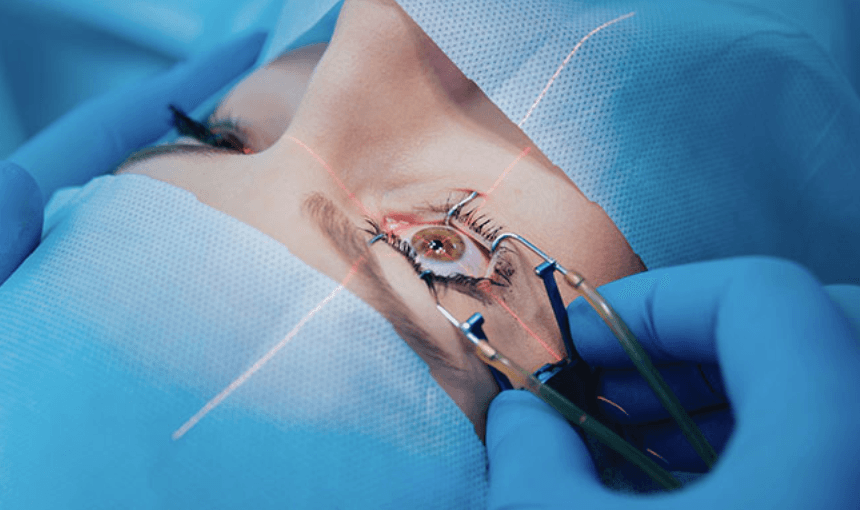
Phacoemulsification (phaco) is the gold-standard technique for cataract removal worldwide. Through a tiny incision of about 2 mm or less, the surgeon uses ultrasound energy to gently break the cloudy lens into fragments and remove them. A clear, foldable artificial intraocular lens (IOL) is then placed in the same position as your natural lens.
Because the incision is so small, it usually self-seals without any stitches. This means a faster recovery, less irritation and a lower risk of astigmatism after surgery than older large-incision techniques.
Key Benefits of Phaco Cataract Surgery
- Painless, 10 to 15-minute day-care procedure under topical anaesthesia, with no injection or eye patch in most cases
- Stitchless, small-incision surgery with quick healing
- Rapid visual recovery, with many patients seeing better the next day
- Return to light routine activities in a few days
- A choice of lenses to reduce or even eliminate dependence on glasses
- High success rate and excellent safety record in experienced hands
Choosing the Right Intraocular Lens (IOL)
The lens implanted during surgery strongly influences how you see for the rest of your life. Your surgeon will recommend one based on your eye measurements, lifestyle, occupation and budget.
Monofocal IOLs give clear vision at one distance, usually far. Most patients still need reading glasses. They are the most widely used and affordable option.
Toric IOLs correct astigmatism along with the cataract, giving sharper vision and less need for glasses in people with a significant cylindrical power.
Multifocal and Extended Depth of Focus (EDOF) IOLs give a range of vision for distance, intermediate and near, reducing the need for spectacles. They suit people who want maximum glasses independence, though they may not be right for every eye. Your surgeon will tell you honestly if they are suitable.
Specialised lenses for special cases may be advised when a patient has other eye conditions.
Accurate optical biometry measures the length and curvature of your eye so that the lens power is calculated precisely. This step is essential for getting the result you expect.
Step-by-Step Cataract Surgery Workflow
We keep every step simple, safe and comfortable.
1
Step 1: Comprehensive Pre-Operative Evaluation - Detailed examination, retinal check, eye-pressure measurement, corneal assessment and optical biometry confirm that the surgery is suitable and fix the right IOL power. General health checks such as blood pressure and blood sugar are also reviewed.
2
Step 2: Painless Anaesthetic Eye Drops - Numbing drops ensure comfort. Most patients feel only light pressure and are awake and relaxed throughout.
3
Step 3: Micro-Incision and Phaco Removal - A tiny self-sealing incision is made and the cloudy lens is gently emulsified and removed with ultrasound energy.
4
Step 4: Foldable IOL Implantation and Same-Day Discharge - The artificial lens is placed in position, the eye is checked and you walk out the same day, with eye drops and clear instructions for home.
What to Expect Before, During and After Surgery
Before Surgery
You will receive instructions about medicines, including blood pressure and diabetes tablets, which usually continue as normal unless advised otherwise. Bring someone with you on the day of surgery and wear comfortable clothing.
During Surgery
The procedure takes roughly 10 to 15 minutes per eye. You will see bright lights and movement but no details of the instruments. Surgery is usually done on one eye at a time, with the second eye scheduled after a short gap.
After Surgery
Mild itching, watering or a gritty feeling is normal in the first few days. If you notice severe pain, redness, a sudden drop in vision or increasing discharge, contact the hospital immediately.
- Use the prescribed antibiotic and anti-inflammatory drops exactly as directed
- Wear the protective shield while sleeping for the period advised
- Avoid rubbing or pressing the eye
- Avoid head baths, dust, smoke and swimming for the first couple of weeks, or as advised
- Avoid heavy lifting and strenuous exercise initially
- Attend all follow-up visits
Safety, Sterility and Success
Cataract surgery has one of the best safety records among all surgeries. Our surgical suite follows strict infection-control protocols, including sterilised instruments, single-use consumables and a controlled operating environment. Complications such as infection, inflammation, posterior capsule opacification (a haze that can form behind the lens months or years later) or lens-related issues are uncommon. If they occur, they are identified and treated early. A simple, painless laser procedure can clear posterior capsule opacification if it develops.
Every surgery carries some risk, and your surgeon will discuss this openly with you before you decide.
Diabetes, Glaucoma and Complex Cataracts
Some patients need extra planning, and an experienced surgeon makes a real difference here.
- Diabetic patients: blood sugar control and a thorough retinal assessment are essential before and after surgery.
- Glaucoma patients: cataract removal can sometimes help with eye pressure, and surgical planning takes the glaucoma into account.
- Dense or hard cataracts: these need careful technique and experience.
- Small pupils, previous eye surgery or eye injury: these may require special techniques.
- Paediatric and congenital cataracts: these need timely treatment to prevent permanent weak vision in children.
Meet Our Cataract Surgeons
Dr. Girjesh Kain (MS, FICO) is a senior ophthalmic surgeon who leads the cataract and refractive services at Oracle Eye Hospital. With extensive surgical experience and a calm, patient-first approach, he is known for explaining every option clearly before surgery.
Dr. Rachana supports the clinical team in evaluation, treatment and follow-up care, ensuring each patient receives attentive and compassionate care from consultation through recovery.
Cataract Surgery Cost in Moradabad, EMI and Insurance
The cost of cataract surgery depends mainly on the type of intraocular lens, the technique used, the complexity of the case and the facilities chosen. We believe in complete transparency. After your examination, you receive a clear, itemised estimate, so there are no surprises.
Oracle Eye Hospital offers 0% interest EMI options for eligible patients and cashless assistance through empanelled insurance partners and TPAs. Our insurance desk helps with pre-authorisation and documentation. Cataract surgery is typically covered under most health insurance policies, subject to the terms of your plan.