Finding a Top Retina Surgeon Near You
When people search for "top retina surgeons near me", they are usually worried. A doctor has mentioned the word retina, a diabetes check has shown changes at the back of the eye, or vision has suddenly changed. In all these situations, two things matter most: reaching a qualified specialist quickly and trusting the advice you receive. The retina is the thin, light-sensitive layer at the back of your eye. It works like the film of a camera, turning light into signals that the brain reads as images. Because retinal tissue cannot regenerate, damage that is not treated in time is often permanent. The good news is that many retinal conditions, if caught early, can be controlled or repaired and vision can be saved.
What Does a Retina Surgeon Do?
A retina surgeon, also called a vitreoretinal specialist, is an ophthalmologist who has completed further training in diseases of the retina and the vitreous, the clear gel that fills the centre of the eye. This specialist diagnoses retinal disease, treats it with medicines, injections or laser, and performs delicate surgery when required.
A general ophthalmologist can detect many retinal problems during a routine examination. A retina specialist steps in when a condition needs advanced imaging, repeated injections, laser treatment or surgery. At Oracle Eye Hospital, your first examination helps decide whether your eyes need retina care, and if they do, you do not have to travel to another city to begin.
When to See a Retina Specialist Urgently
Some retinal emergencies must be treated within hours or days. Please seek an eye examination at once if you notice any of the following: Retinal detachment, a condition in which the retina peels away from the wall of the eye, is a true emergency. Vision outcomes are best when surgery is done early, so do not wait to see whether symptoms settle by themselves.
- A sudden shower of new floaters, like spots, threads or cobwebs
- Flashes of light, especially in the corner of the vision
- A dark curtain or shadow spreading across part of your vision
- Sudden blurring or loss of vision in one eye
- Straight lines that look bent or wavy
- A blank or dark spot in the centre of your vision
- Sudden loss of colour vision or very dim vision in one eye
Retinal Conditions Treated at Oracle Eye Hospital
Diabetic Retinopathy
Diabetes damages the small blood vessels of the retina. Over time, these vessels may leak fluid, bleed or close off. In advanced stages, fragile new vessels grow and can cause bleeding inside the eye or retinal detachment. Diabetic macular oedema, which is swelling at the centre of the retina, is a common reason for vision loss in people with diabetes.
Treatment depends on the stage. Early disease may need only good control of blood sugar, blood pressure and cholesterol, along with regular monitoring. Moderate to advanced disease may need laser treatment, anti-VEGF injections or vitreous surgery. Every person with diabetes should have a dilated retinal examination at least once a year, and those with known retinopathy may need to be seen more often.
Retinal Detachment and Retinal Tears
A retinal tear can allow fluid to pass behind the retina and lift it off. Risk is higher in people with high myopia, previous eye surgery or eye injury, a family history of detachment, and in those who have had a sudden onset of floaters and flashes.
A small tear caught early can often be sealed with laser or freezing treatment in the clinic. A detached retina needs surgery, which may involve vitrectomy, a scleral buckle or an injection of gas into the eye to push the retina back into place. Your surgeon will choose the method that suits your eye.
Age-Related Macular Degeneration
The macula is the small central area of the retina responsible for reading, recognising faces and fine detail. Age-related macular degeneration affects this area and is a leading cause of central vision loss in older adults. The "wet" form, caused by abnormal blood vessels, can progress quickly and is treated with anti-VEGF injections. The "dry" form progresses slowly, and the focus is on monitoring, lifestyle measures and nutritional advice from your doctor.
Macular Hole and Epiretinal Membrane
A macular hole is a small break at the centre of the retina, causing distorted or blurred central vision. An epiretinal membrane is a thin scar-like layer that wrinkles the macula. Both are diagnosed with OCT scans and are often treated with a microsurgical procedure called vitrectomy.
Retinal Vein and Artery Occlusion
Blockage of the retinal veins or arteries can cause sudden vision loss, bleeding and swelling. These conditions are strongly linked with high blood pressure, diabetes and raised cholesterol. Injections and laser may be used, and your doctor may advise a general health check to find the underlying cause.
Vitreous Haemorrhage and Floaters
Bleeding into the vitreous gel can cloud the vision suddenly. Most floaters are harmless, but a sudden increase in floaters needs a dilated retinal examination to rule out a tear. Treatment of vitreous haemorrhage depends on its cause and may include observation, laser or vitrectomy.
Central Serous Retinopathy and Other Macular Conditions
Central serous retinopathy often affects younger and middle-aged adults, causing a blurred or dim patch in the central vision, and has been associated with stress and steroid use. Many cases settle with observation, while some need laser treatment. Other conditions, such as myopic maculopathy and inherited retinal diseases, also need specialist monitoring.
Retinopathy of Prematurity and Children's Retina Care
Babies born early or with low birth weight need retinal screening, as abnormal blood vessel growth can threaten their sight. Timely screening and treatment protect a child's vision for life. If your baby was born prematurely, ask your paediatrician about an eye examination.
How Retinal Problems Are Diagnosed
Accurate diagnosis is the foundation of good retina care. Your examination may include several tests:
Dilated fundus examination. Drops widen your pupils so the doctor can examine the retina, optic nerve and periphery in detail.
Optical coherence tomography (OCT). A quick, painless scan that produces cross-sectional images of the retina. It shows swelling, holes, membranes and fluid at a microscopic level and is used to track response to treatment.
Fundus photography. Digital images of the retina create a record so changes can be compared over time.
Fluorescein angiography. A dye is injected into a vein in the arm and photographs follow its flow through the retinal vessels, showing leaks and blocked vessels.
B-scan ultrasound. When bleeding or cataract prevents a clear view, ultrasound helps examine the retina behind it.
Not every patient needs every test. Your retina specialist will advise only what is needed for your condition, and explain what each result means in simple language.
Retina Treatments Explained
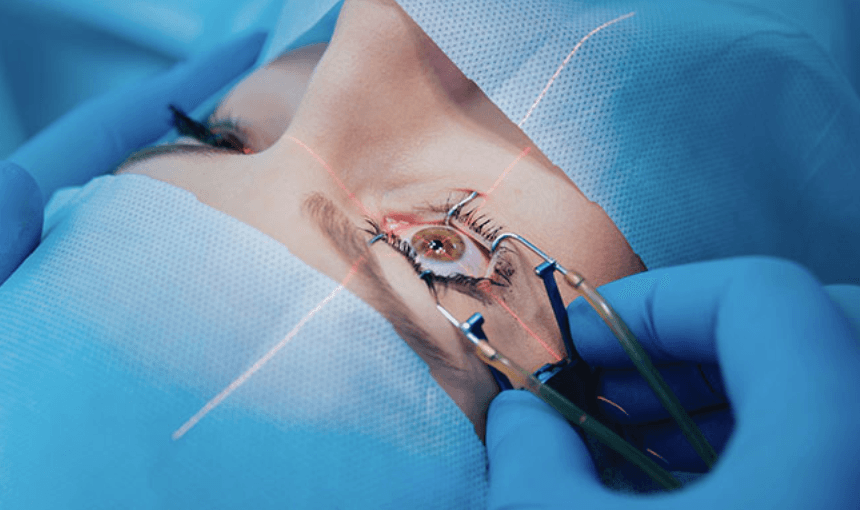
Anti-VEGF Injections. These medicines reduce abnormal blood vessel growth and leakage. They are given as a small injection into the eye under local anaesthetic drops in a sterile theatre. The procedure is brief, and many people feel only slight pressure. Several injections over a period are often needed, so regular follow-up is important. Retinal Laser Treatment. Laser seals leaking vessels, treats areas of poor blood supply and secures retinal tears. It is usually done as an outpatient procedure. Laser aims to preserve existing vision and prevent further damage rather than to restore what has already been lost.
How to Choose a Top Retina Surgeon Near You
Online searches return many names, so it helps to know what to look for.
Qualifications and training. Check that the doctor has formal training in retina or vitreoretinal surgery and ask how many procedures are performed regularly.
Complete imaging in one place. Retina decisions depend on OCT, angiography and photography. A centre that offers these under one roof saves time and avoids delays.
Honest guidance. A good retina specialist tells you if treatment can wait, explains alternatives and does not promise perfect results.
Emergency access. Retinal detachment cannot wait for a convenient appointment. Ask how urgent cases are handled.
Long-term follow-up. Conditions like diabetic retinopathy and macular degeneration need ongoing care, so choose a centre close to home that you can visit regularly.
Transparent costs. Injections and surgeries can be costly. Look for a hospital that explains charges, insurance and payment options in advance.
Proximity. For conditions needing repeated visits, a trusted specialist nearby can be better than one far away.
What Every Patient Should Know
India has a very large diabetic population, and diabetic eye disease is one of the major preventable causes of blindness. Retinopathy can begin years before you notice any change in vision. Controlling blood sugar, blood pressure and cholesterol, taking medicines as prescribed, avoiding smoking and having an annual dilated eye examination greatly reduce the risk of vision loss.
If you have been diabetic for more than five years, or are pregnant with diabetes, your retina should be checked on the schedule your doctor advises. Early treatment can often stabilise vision even when disease is present.
What to Expect at Your First Retina Visit
Your visit begins with a conversation about your symptoms, general health, diabetes or blood pressure history, medicines and previous eye problems. Basic tests of vision and eye pressure follow. The doctor will then dilate your pupils, which takes around twenty to thirty minutes, and examine the retina in detail. If needed, an OCT scan or other imaging is performed during the same visit.
Your doctor then explains what was found, shows you the images and discusses the treatment plan, along with the benefits, risks, expected recovery and cost. You are encouraged to ask questions and are never rushed into a decision.
Please bring your previous prescriptions and reports, your current medicine list, recent blood sugar reports and insurance documents. Dilating drops can cause blurred near vision and light sensitivity for a few hours, so bring sunglasses and, if possible, a family member to accompany you.
Recovery After Retina Treatment
Recovery depends on the procedure. After an injection, most people resume normal activity the next day, using prescribed drops. After laser, there may be mild glare for a short time. After vitrectomy, vision usually improves gradually over weeks to months, and you may need to follow specific instructions, such as keeping your head in a particular position if gas has been placed in the eye.
Important points to follow after any retinal surgery:
- Use all drops exactly as prescribed
- Do not rub or press the eye
- Avoid heavy lifting and strenuous activity as advised
- Do not travel by air or go to high altitudes if gas has been placed in the eye, until your surgeon permits
- Attend every follow-up appointment
- Report sudden pain, worsening vision, increasing redness or discharge at once
Cost, Insurance and Payment Options
The cost of retina treatment depends on the condition, the procedure, the medicines or implants used and the number of sessions required. During consultation, our counsellors give you a clear estimate so that you can plan with confidence.
Oracle Eye Hospital offers cashless assistance through empanelled insurance and TPA partners, and flexible EMI options are available for eligible procedures. Our team helps with documentation so that you can concentrate on getting better.
Why Patients Choose Oracle Eye Hospital for Retina Care
- Careful diagnosis before treatment, with every finding explained in simple language.
- Advanced retinal imaging available in the same visit for faster decisions.
- A complete range of retina services, from screening and injections to laser and surgery.
- Comprehensive eye care under one roof, so cataract, glaucoma and retina conditions can be managed together when needed.
- Clear communication in Hindi, English and the local language. Safe, sterile surgical environment with attentive follow-up. Transparent pricing, insurance support and easy payment options.
Protecting Your Retina Every Day
Keep blood sugar, blood pressure and cholesterol under control. Do not smoke, since smoking raises the risk of macular degeneration and vascular eye disease. Wear UV-protective sunglasses outdoors and protective eyewear during sports or work with a risk of injury. Eat a balanced diet rich in green leafy vegetables, fruit and fish or other omega-3 sources. Have an annual dilated eye examination after age 40, or sooner if you have diabetes, high myopia or a family history of retinal disease. Learn to check each eye separately for distortion using a simple grid, and never ignore sudden changes in vision.