



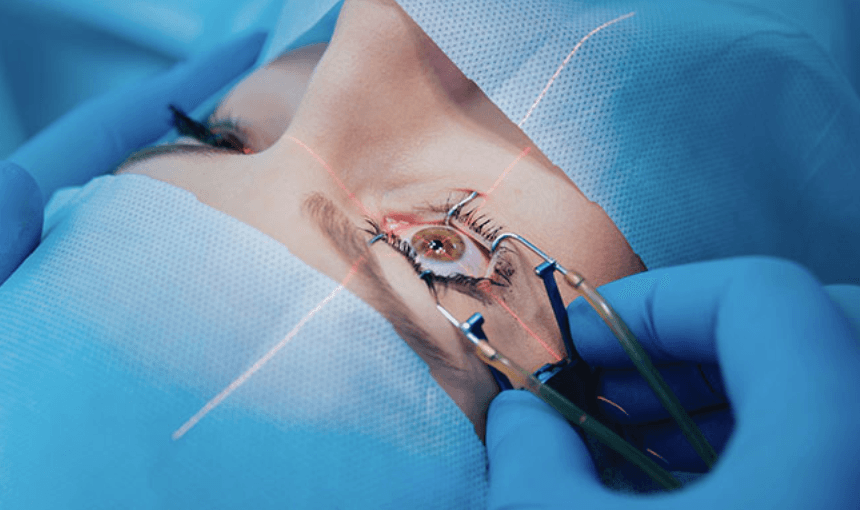
AI-Assisted Cataract Surgery in Moradabad
Smarter planning, sharper precision and a lens chosen for your eyes. Experience technology-guided cataract care led by expert surgeons at Oracle Eye Hospital.
What is Cataract?
Common Symptoms of Cataract
- Blurred, cloudy or "foggy" vision
- Glare or halos around lights, especially at night
- Difficulty driving after dark
- Faded or yellowish colours
- Frequent changes in glasses power
- Double vision in one eye
- Needing brighter light to read
- Difficulty recognising faces
Causes and Risk Factors
- Ageing, the most common cause
- Diabetes
- Long-term use of steroid medicines
- Eye injury or previous eye surgery
- Prolonged sun exposure without protection
- Smoking and alcohol use
- Family history
- Other eye conditions such as uveitis
What Does "AI Cataract Surgery" Mean?
How is Modern Cataract Surgery Performed?
Phacoemulsification (Phaco)
This is the standard modern technique. Through a very small incision, a fine ultrasound probe breaks the cloudy lens into tiny fragments, which are gently suctioned out. The thin capsule that held the lens is left in place to support the new lens. A foldable intraocular lens is inserted through the same small incision and unfolds into position. The incision is usually self-sealing.
Key points:
- Performed under numbing drops or minimal local anaesthesia
- Typically takes around 10 to 20 minutes per eye
- Stitchless or minimal-stitch technique in most cases
- Day-care procedure, so you go home the same day
Femtosecond Laser-Assisted Cataract Surgery
Choosing the Right Lens (IOL)
- Monofocal IOL: provides clear vision at one distance, usually far. You will typically need glasses for reading.
- Toric IOL: corrects astigmatism along with cataract, which may reduce dependence on glasses for distance.
- Extended depth of focus (EDOF) IOL: gives good distance and intermediate vision, such as computer or dashboard distance, with some reduction in glasses dependence.
- Multifocal or trifocal IOL: gives vision at far, intermediate and near, and may allow many patients to be less dependent on glasses. Some people notice glare or halos at night, and not everyone is a suitable candidate.
Benefits of Technology-Supported Cataract Surgery
- More accurate lens power planning, which can reduce the chance of needing strong glasses afterward
- Better detection of other eye conditions that could influence surgery
- Personalised lens selection based on your eye's measurements and your lifestyle
- Safer, more predictable surgical planning, especially in complex or unusual eyes
- Quick, painless, day-care procedure with fast visual recovery for most patients
- Reduced dependence on glasses with the right lens choice
- Clearer, brighter vision and better colour perception
- Improved safety, independence and quality of life, especially for senior citizens
Step-by-Step Cataract Surgery Workflow
What to Expect Before, During and After Surgery
Before Surgery
- Your doctor will review your health history, including diabetes, blood pressure and medicines
- You may need routine tests, depending on your health
- Follow fasting and medicine instructions given by the team
- Arrange for someone to accompany you
- Stop contact lens use as advised
During Surgery
- Numbing drops are applied, and your eye is cleaned and covered with a sterile drape
- You will see lights and movement but not the surgical details
- You may feel slight pressure, but not pain
- The procedure usually takes about 10 to 20 minutes per eye
After Surgery
- You may have mild scratchiness, watering or light sensitivity for a day or two
- Many patients notice improved vision within a day, though it may continue to improve over days to weeks
- Use all prescribed drops as directed
- Do not rub your eye, and protect it from water, dust and smoke during the early days
- Avoid heavy lifting and strenuous activity until your doctor permits
- Attend all follow-up visits
Cataract Surgery in Diabetic and High-Risk Patients
A Balanced View
- Infection or inflammation inside the eye (uncommon)
- Swelling of the retina or cornea
- Raised eye pressure
- Posterior capsule opacification, sometimes called an "after-cataract," which is treated with a quick laser procedure
- Retinal detachment (rare)
- Residual need for glasses
- Glare or halos, particularly with some premium lenses
- Bleeding or lens displacement (rare)
Cost of Cataract Surgery in Moradabad
- The surgical technique used
- The type of intraocular lens (monofocal, toric, EDOF or multifocal)
- The technology and diagnostics involved
- Your eye condition and any extra treatment needed
- Medicines and follow-up care
- Your insurance, TPA or scheme coverage
How to Choose the Right Cataract Surgeon in Moradabad
- Check qualifications and surgical experience in cataract surgery
- Ask how your lens power will be calculated and which lens options suit you
- Ensure the hospital maintains strict sterile protocols
- Look for transparent pricing and an itemised estimate
- Prefer a surgeon who explains risks openly and does not oversell
- Confirm there is a structured follow-up plan
- Be cautious of exaggerated claims such as "zero risk," "100% perfect vision" or "no glasses guaranteed"
Why Patients in Moradabad Trust Oracle Eye Hospital for Cataract Care
- Experienced surgeons: a team led by Dr. Girjesh Kain (MS, FICO), with Dr. Akansha Kain and Dr. Rachana
- Technology-assisted planning: advanced diagnostics and modern lens calculation methods
- Personalised lens advice: options matched to your eyes and lifestyle
- Painless day-care surgery: comfortable, quick and with minimal downtime
- Honest counselling: no pressure and no unnecessary upgrades
- Complete care: diagnosis, surgery and follow-up under one roof
- Accessible pricing: transparent estimates, EMI and cashless support
Book Your Cataract Consultation Today
Meet Our Senior Specialists
Entrust your vision to dedicated ophthalmic surgeons who have restored sight to tens of thousands of patients across Western UP.
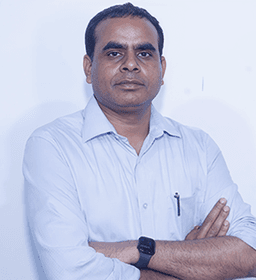
Dr. Girjesh Kain
Dr. Kain is an internationally trained cataract and refractive surgeon with fellowship honors. He has spearheaded modern micro-incision surgery techniques in Moradabad for more than 15 years.

Dr. Rachana
Dr. Rachana specializes in comprehensive eye diagnostics, complex cataract procedures, and customized intraocular lens selections to achieve optimal postoperative visual sharpness.
Frequently Asked Questions About AI-Assisted Cataract Surgery in Moradabad
Clear answers to help you make an informed decision for yourself and your family.
Explore Related Eye Care Services in Moradabad
Discover advanced super-specialty eye treatments available at Oracle Eye Hospital: