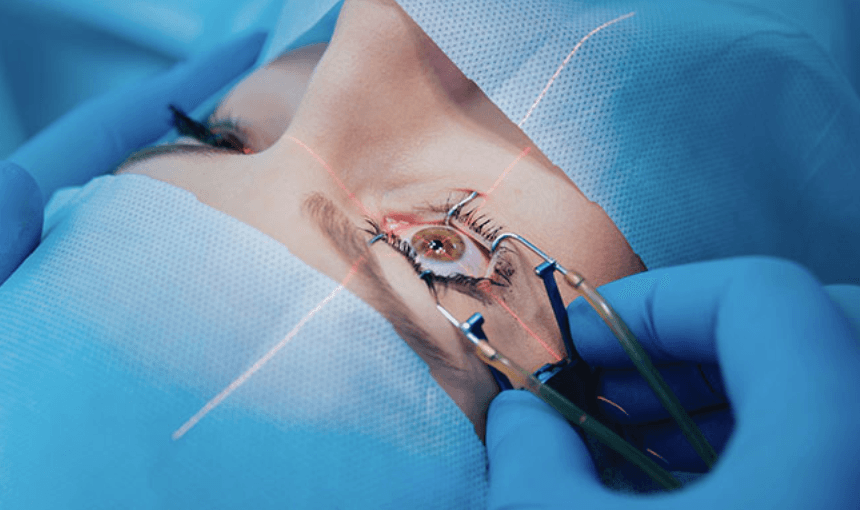
What Does an Eye Surgeon Do?
An eye surgeon is an ophthalmologist, a medical doctor (MBBS followed by postgraduate specialisation in ophthalmology, such as MS or DNB) who is trained to diagnose eye diseases, treat them with medicines and perform surgery. Many surgeons also complete fellowships in a sub-specialty such as cataract and refractive surgery, retina, glaucoma or cornea.
Do not confuse an eye surgeon with an optometrist, who tests vision and prescribes glasses, or an optician, who dispenses them. Only an ophthalmologist can perform eye surgery.
An eye surgeon's work usually includes:
Importantly, a good eye surgeon will not recommend surgery when it is not needed. Many eye conditions can be managed with glasses, medicines or monitoring, and your surgeon should say so honestly.
- Examining your eyes and diagnosing the problem
- Advising whether medicines, laser or surgery is best
- Explaining benefits, risks and alternatives
- Performing the procedure and managing complications
- Planning your follow-up care to protect your results
Consider an appointment if you notice any of the following:
Sudden vision loss, severe eye pain, chemical splashes and penetrating injuries are emergencies. Go to an eye hospital immediately.
- Gradual blurring, glare or dimming of vision, often a sign of cataract
- Dependence on thick glasses and a wish to explore vision correction
- Painful red eye, light sensitivity or a white spot on the eye
- Loss of side vision, or a family history of glaucoma
- Floaters, flashes of light or a dark curtain across your vision
- Vision changes in diabetes
- Eye injury, especially from sharp objects, plants, chemicals or blunt force
- Squint (crossed or misaligned eyes) in a child or adult
- Drooping eyelids, lumps or watering from a blocked tear duct
- A growth on the white of the eye (pterygium)
Eye Surgeries Performed at Oracle Eye Hospital, Moradabad
In modern phacoemulsification, the cloudy lens is broken into tiny pieces through a small incision and removed, and a clear artificial intraocular lens (IOL) is placed in its position. The procedure is typically done as a day-care procedure under topical anaesthesia (numbing drops), and most patients return home the same day. Different IOL options, such as monofocal, toric (for astigmatism) and multifocal lenses, may be discussed to suit your lifestyle and visual needs.
1
Cataract Surgery - A cataract is a clouding of the eye's natural lens, which causes blurred, dim or glare-affected vision. It is one of the most common reasons people need eye surgery. Surgery is the only effective treatment once a cataract is affecting daily life.
2
LASIK and Vision Correction Surgery - For patients who want to reduce their dependence on glasses or contact lenses, we offer evaluation for blade-free LASIK, topography-guided Contoura Vision and other options, depending on suitability. Careful screening of corneal thickness, shape and tear film decides whether laser correction is safe for you or whether an alternative is better. Procedures are quick, with rapid recovery for most patients.
3
Glaucoma Surgery and Laser - Glaucoma damages the optic nerve, often due to raised eye pressure, and can cause permanent loss of side vision without noticeable early symptoms. Treatment begins with eye drops, and laser procedures or surgery are recommended when pressure or damage cannot be controlled with medicines. The aim is to prevent further vision loss, since damage already done cannot be reversed.
4
Retina Surgery and Treatment - Retinal conditions such as diabetic retinopathy, retinal tears and detachment, and macular disease may need laser treatment, intravitreal injections or vitreoretinal surgery. Early diagnosis is key, and retinal detachment is a surgical emergency.
5
Corneal Surgery - Our cornea team treats infections and ulcers, keratoconus (including corneal collagen cross-linking in suitable cases), scars, pterygium and, where indicated, corneal transplantation. Prompt care for corneal infections can protect vision.
6
Squint (Strabismus) Surgery - Misaligned eyes can affect depth perception, self-confidence and, in children, visual development. Treatment may include glasses, patching, exercises or surgery to realign the eye muscles, ideally planned early in children.
7
Oculoplastic and Eyelid Surgery - Procedures may include correction of drooping eyelids (ptosis), removal of eyelid lumps and cysts, repair of eyelid injuries, and treatment of blocked tear ducts that cause constant watering.
8
Pterygium Surgery - A pterygium that causes irritation, distortion or threatens the cornea may need surgical removal, often with a graft to reduce the chance of recurrence.
9
Paediatric Eye Care - Children's eyes need special handling. We evaluate and treat childhood cataract, squint, lazy eye and other conditions, with a focus on timely intervention.
How to Choose the Right Eye Surgeon in Moradabad
Selecting your surgeon is a personal decision, and these questions can help:
1. Qualifications and experience
Does the surgeon hold recognised postgraduate qualifications in ophthalmology, such as MS, DNB or equivalent? How many procedures like yours do they perform regularly?
2. Hospital standards and technology
Is the hospital equipped with modern diagnostics and operation theatres with strict infection control? Does it follow quality and safety protocols?
3. Clear communication
Does the surgeon listen, explain your diagnosis in simple language and discuss risks and alternatives without pressure?
4. Transparent costs
Will you receive a written, itemised estimate? Are EMI and insurance options explained clearly?
5. Follow-up care
Good results depend on aftercare. Is there a structured follow-up plan, and can you reach the team if a problem arises?
6. Willingness to say no
A trustworthy surgeon will not push surgery when it is unnecessary or unsafe for you.
Be cautious of exaggerated promises such as "100% guaranteed results", "zero risk", unusually cheap packages with hidden extras, or pressure to decide on the spot.
What Happens During Your Surgical Journey at Oracle Eye Hospital
1
Step 1: Comprehensive Eye Evaluation - Your visit begins with a detailed history and examination, including vision testing, eye pressure measurement, slit-lamp examination and dilated retinal examination. Advanced scans, such as OCT, corneal tomography or biometry, are added as needed.
2
Step 2: Diagnosis and Counselling - Your surgeon explains what is wrong, whether surgery is necessary, the available options, expected results, risks and cost. You are encouraged to ask questions and take time to decide.
3
Step 3: Pre-Surgery Preparation - You will be told about any tests, medicine adjustments and fasting instructions. Patients with diabetes, high blood pressure or other conditions may need medical clearance, since stable general health supports safe surgery.
4
Step 4: Surgery with Comfort-Focused Anaesthesia - Most procedures use numbing drops or local anaesthesia, so you feel little or no pain. The surgery is performed under sterile conditions in a dedicated operation theatre.
5
Step 5: Recovery and Follow-Up - After a short rest and examination, most day-care patients go home the same day with medicines and instructions. Scheduled follow-up visits monitor your healing and optimise your final vision.
Preparing for Your Eye Surgery: A Simple Checklist
- Bring your previous eye records, glasses and current medicine list
- Inform your doctor about allergies, diabetes, blood pressure, blood thinners and other health conditions
- Follow fasting instructions if they are given
- Wear comfortable clothes and avoid makeup or creams on the face
- Arrange for someone to accompany you and help you travel home
- Stop contact lens use as instructed before any evaluation for vision correction
Recovery varies by procedure, but these general principles apply:
- Use all prescribed eye drops exactly as directed, and finish the course
- Do not rub or press on your eye
- Wear the protective shield or glasses as advised, particularly while sleeping
- Keep water, soap, dust and smoke away from the eye during the early days
- Avoid heavy lifting, strenuous exercise and swimming until your surgeon permits
- Take care while bathing and washing your hair
- Attend every follow-up visit, even if you feel fine
- Contact your surgeon immediately if you experience worsening pain, increasing redness, sudden drop in vision, or discharge
An Honest Overview
Modern eye surgery is generally safe, and many procedures have high success rates when patients are properly selected. But no surgery is free of risk. Possible complications depend on the procedure and may include infection, inflammation, bleeding, raised eye pressure, dry eye, need for additional treatment, or in rare cases, vision loss. Your surgeon will explain risks specific to your eyes and health. Following instructions carefully and attending follow-up significantly reduces the chance of problems.
The cost of eye surgery varies depending on:
Oracle Eye Hospital provides a clear, itemised estimate after your evaluation, with no hidden charges. We offer 0% EMI plans and cashless assistance through empanelled healthcare partners, and our counsellors can guide you through documentation and eligibility so that cost does not delay necessary care.
- The type of procedure and its complexity
- The technology and implants used (for example, the type of IOL in cataract surgery)
- Your overall health and any extra tests or treatments needed
- Medicines and follow-up requirements
- Your insurance, TPA or scheme coverage
Why Patients Across Moradabad Trust Oracle Eye Hospital
- Experienced surgical team: led by Dr. Girjesh Kain (MS, FICO), with Dr. Akansha Kain and Dr. Rachana
- Wide range of procedures: cataract, refractive, glaucoma, retina, cornea, squint and oculoplasty care in one place
- Safety-first approach: thorough evaluation and strict sterile protocols
- Modern technology: advanced diagnostics and surgical systems
- Patient-friendly care: painless anaesthesia, same-day discharge for most procedures and clear explanations
- Honest advice: surgery only when it is truly needed
- Accessible pricing: transparent estimates, 0% EMI and cashless support
Book a Consultation with an Eye Surgeon Today
If you have been told you need eye surgery, want a second opinion, or are simply unsure about your options, a consultation is the first step. Book an appointment with our eye surgeons at Oracle Eye Hospital, Moradabad. Call our helpline at +91 8006803111 or visit us for a thorough eye evaluation