Clinical Overview
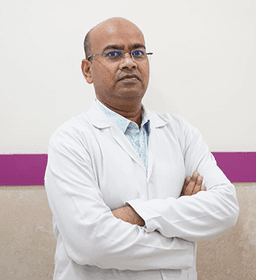
Choosing an eye doctor is a personal decision. You want someone who listens, examines your eyes carefully, explains what is happening in simple language and recommends only the treatment you truly need. If you are searching for Dr. Sujata Tomar, ophthalmologist in Moradabad, this page tells you what to expect when you consult her at Oracle Eye Hospital, which conditions she and the hospital team can help with, and how to prepare for your visit.
Dr. Sujata Tomar is part of the ophthalmology team at Oracle Eye Hospital, working alongside Dr. Girjesh Kain (MS, FICO), a senior phaco and refractive surgeon. Patients from Moradabad and nearby districts visit the hospital for everything from routine eye tests to cataract surgery, glaucoma care, retina evaluation and corneal treatment.
Why Choose Oracle Eye Hospital?
Qualified ophthalmologists, modern diagnostic technology, in-house laser and surgery, care for every age, honest counselling, and 0% EMI with cashless insurance assistance where applicable.
About Dr. Sujata Tomar
[Add verified details here before publishing: qualifications (for example MBBS, MS or DNB Ophthalmology), years of experience, areas of special interest, fellowships, memberships such as AIOS or UPOS, and languages spoken.]
Patients consult Dr. Sujata Tomar for comprehensive eye examination, diagnosis of common and complex eye conditions, vision and spectacle prescription, and guidance on medical or surgical treatment. Her approach, like that of the whole team at Oracle Eye Hospital, is built on careful examination, clear communication and treatment only when it is genuinely needed.
What is an Ophthalmologist, and Why Does It Matter?
An ophthalmologist is a medical doctor who has completed MBBS followed by postgraduate training in eye care. Unlike an optician or optometrist, an ophthalmologist can diagnose eye diseases, prescribe medicines, perform laser treatments and carry out eye surgery.
This matters because many serious eye conditions, such as glaucoma, diabetic retinopathy and early cataract, cause no pain in the beginning. A simple vision test for glasses may miss them completely. A complete examination by an ophthalmologist looks at every part of the eye, from the cornea and lens at the front to the retina and optic nerve at the back, and can catch problems early when treatment works best.
When Should You Consult an Ophthalmologist?
Book an appointment if you notice any of the following:
Go to an eye hospital immediately for sudden vision loss, severe pain, a chemical splash or a penetrating injury. For chemical exposure, rinse the eye continuously with clean water first, and avoid home remedies.
- Blurred, cloudy or double vision
- Difficulty seeing at night or glare from headlights
- Frequent headaches or eye strain, especially after screen use
- Red, painful, itchy or watery eyes
- Dryness, burning or a gritty feeling
- Floaters, flashes of light or a dark shadow in your vision
- Gradual loss of side vision
- A white spot on the eye or sensitivity to light
- A child who squints, tilts the head or sits very close to the screen
- Any eye injury
Eye Conditions We Diagnose and Treat
Refractive Errors and Spectacle Prescription
Short sight, long sight, astigmatism and age-related reading difficulty are corrected with accurately prescribed glasses or contact lenses. If you wish to reduce your dependence on glasses, our team can assess your suitability for LASIK or other vision correction options.
Cataract
Cataract is the clouding of the eye's natural lens, causing blurred vision, glare and faded colours. Surgery is the only effective treatment once it affects daily life. Modern phaco surgery is a quick, painless day-care procedure with a choice of intraocular lenses suited to your eyes and lifestyle.
Glaucoma
Glaucoma damages the optic nerve, usually due to raised eye pressure, and can silently narrow your side vision. Early detection through pressure measurement, optic nerve examination and visual field testing is essential, and treatment may include drops, laser or surgery.
Diabetic Eye Disease
Diabetes can damage the blood vessels of the retina. Every person with diabetes should have a dilated retinal examination at least once a year, even when vision seems normal.
Dry Eye Disease
Long screen hours, air conditioning, pollution and ageing have made dry eye very common. Symptoms include burning, watering, redness and fluctuating vision. We identify the cause and build a personalised plan.
Red Eye, Infections and Allergies
Conjunctivitis, styes, corneal infections and eye allergies are treated based on accurate diagnosis. Please avoid self-medication, especially steroid eye drops, which can worsen infections.
Children's Eye Problems
Children rarely complain about poor vision. Early examination can detect refractive errors, lazy eye and squint before they affect learning and development.
Eyelid and Tear Duct Conditions
Drooping lids, lumps, cysts and blocked tear ducts that cause constant watering can be evaluated and treated.
Eye Injuries and Emergencies
Foreign bodies, abrasions, chemical exposure and trauma receive priority during working hours.
What Happens During Your Consultation
A routine consultation usually takes 30 to 45 minutes. Dilating drops may blur near vision and make your eyes sensitive to light for a few hours, so please bring sunglasses and, if possible, someone to accompany you.
1
Step 1: Registration and History - Our team notes your symptoms, medical history, current medicines, allergies and previous eye reports. Please bring old prescriptions and test results.
2
Step 2: Preliminary Tests - Trained staff check your vision, spectacle power and eye pressure, and perform any scans the doctor requests.
3
Step 3: Examination by the Ophthalmologist - The doctor examines your eyes in detail with a slit lamp and, usually with dilating drops, checks the retina and optic nerve.
4
Step 4: Diagnosis and Treatment Plan - Your doctor explains the findings in plain language, discusses options, benefits, risks and costs, and gives you a prescription or care plan. You are welcome to ask questions and take your time before deciding on any surgery.
Advanced Diagnostics at Oracle Eye Hospital
Accurate diagnosis starts with the right tests. Depending on your condition, your evaluation may include:
Not every patient needs every test. Your doctor advises only those relevant to your condition, so you do not pay for unnecessary investigations.
- Slit-lamp examination for the front of the eye
- Tonometry for accurate eye pressure measurement
- Dilated fundus examination for the retina and optic nerve
- Optical Coherence Tomography (OCT) for detailed retinal and optic nerve scans
- Corneal tomography (Pentacam) for corneal shape and thickness
- Digital fundus photography to track changes over time
- Optical biometry for lens power planning before cataract surgery
- Visual field testing, important in glaucoma
- Dry eye assessment of tear quality and eyelid glands
Key Benefits of Consulting at Oracle Eye Hospital
- Complete eye care under one roof, from check-up to surgery
- Experienced ophthalmologists working as a team
- Modern diagnostic equipment for early and accurate detection
- Painless, day-care procedures for most treatments
- Clear communication and honest recommendations
- Care for children, adults and senior citizens
- Transparent estimates, EMI options and cashless insurance support
How Often Should You Get Your Eyes Checked?
Children should have a check-up at least once a year, and any time symptoms appear. Adults without eye problems can be examined every one to two years, and annually after 40. People with diabetes, high blood pressure, high myopia or a family history of glaucoma or other eye disease, and everyone above 60, should have a comprehensive dilated examination every year, or as their doctor advises. Spectacle and contact lens users should get their eyes checked every year, or whenever vision changes.
Eye Care Tips From Our Doctors
- Follow the 20-20-20 rule during screen use: every 20 minutes, look at something 20 feet away for 20 seconds
- Blink often and keep screens at a comfortable distance
- Wear UV-protective sunglasses outdoors
- Use protective eyewear around dust, machinery or while riding
- Eat leafy vegetables, fruits, nuts and fish
- Keep diabetes and blood pressure under control
- Avoid smoking
- Do not use eye drops, especially steroid drops, without medical advice
- Avoid rubbing your eyes
- Follow safe contact lens hygiene
Cost, EMI and Insurance
The cost of eye treatment depends on the type of procedure, the technology and lens or implant used, the complexity of your condition, additional tests and medicines, and follow-up care. At Oracle Eye Hospital, you receive a clear, itemised estimate after your evaluation, with no hidden charges.
We offer 0% EMI plans and cashless assistance through empanelled healthcare partners. Many insurance policies cover medically necessary treatments such as cataract surgery, though coverage varies, and elective procedures like LASIK may not be covered. Our counsellors will help you check eligibility and complete the paperwork.
Why Patients in Moradabad Choose Oracle Eye Hospital
- Experienced ophthalmologists: Dr. Sujata Tomar and Dr. Girjesh Kain (MS, FICO)
- A full range of services: cataract, LASIK, glaucoma, retina, cornea, dry eye and children's care
- Safety-first approach with strict sterile protocols
- Honest advice: surgery only when it is truly needed
- Comfortable, painless care with same-day discharge for most procedures
- Local access to advanced eye care without travelling to a metro city
- Financial support through EMI and cashless options
Book an Appointment
If you would like to consult Dr. Sujata Tomar, book an appointment at Oracle Eye Hospital, Moradabad. Call our helpline at +91 8006803111, or visit the hospital for a complete eye examination. Please bring your previous prescriptions, medical reports and a list of your current medicines.